
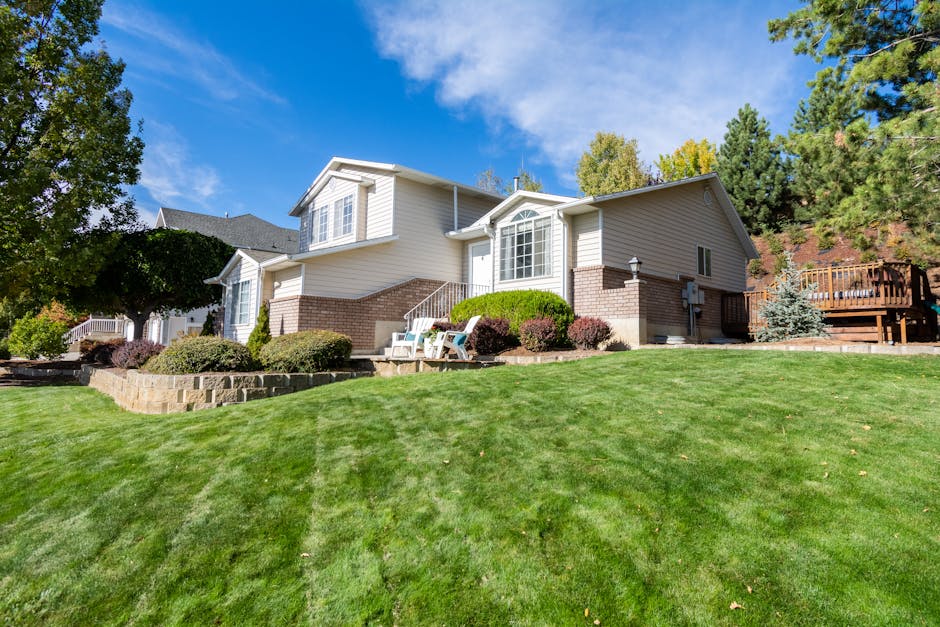
Buying a home in the Las Vegas Valley is a big decision, but the process doesn't have to feel overwhelming. Whether you're a first-time buyer or relocating to the area, understanding the step-by-step process will help you move confidently from house hunting to handing over the keys. Let me walk you through exactly how it works in our market.
Step 1: Get Pre-Approved for a Mortgage
Before you look at a single home, get pre-approved for a mortgage. This isn't optional—it's your foundation. Pre-approval tells sellers you're serious and tells you exactly how much you can afford to spend.
Work with a mortgage lender to understand your borrowing capacity. They'll review your credit, income, and debt-to-income ratio. You'll learn whether you qualify for a conventional loan, FHA loan, or other programs. In the Las Vegas Valley, Shannon Barton recommends getting pre-approved before scheduling any property showings because it puts you in a stronger negotiating position immediately.
Down payments in Las Vegas can start as low as $14,000 for qualified buyers, depending on the loan type and purchase price. Know your budget before you fall in love with a home.
Step 2: Research Neighborhoods and Market Conditions
The Las Vegas Valley isn't one-size-fits-all. You've got everything from Henderson's master-planned communities to the urban vibe of downtown Las Vegas, family-friendly suburbs, and investment-ready areas.
Spend time researching neighborhoods that match your lifestyle and budget. Walk through different areas at different times of day. Talk to residents. Check out local schools, commute times, shopping, and parks. Then look at recent sales data to understand what homes are actually selling for in that neighborhood right now.
Related: Selling a Home in Southern Highlands Las Vegas: 2026 Guide
Related: First Time Home Buyer Guide Las Vegas: 2026 Tips
This is where local knowledge matters. Market conditions shift fast in Vegas, and what you see on a national real estate site might be stale. Getting guidance from someone who works the Las Vegas market daily will save you months of confusion and potentially thousands in overpayment.
Step 3: Partner With a Local Real Estate Agent
You could technically buy a home without an agent, but why would you? A good real estate agent costs you nothing (the seller pays the commission) and saves you money, time, and stress.
Find an agent with real Las Vegas Valley experience—someone who knows the neighborhoods, understands current market conditions, and has relationships with other agents. They'll help you avoid rookie mistakes like visiting model homes without understanding what comparable homes actually sold for, or writing offers that get rejected immediately because they're out of step with the market.
A local agent will also guide you through Nevada's specific closing costs, explain the timelines, and represent your interests in negotiations. They're your advocate, not the seller's.
Step 4: Start Viewing Homes and Build Your Shortlist
Now comes the fun part. Work with your agent to tour homes that fit your criteria and budget. Don't rush this step.
As you view homes, take notes on condition, layout, and how each home compares to the neighborhood. Your agent will help you understand which homes are priced fairly and which are overpriced for the current market. They'll also flag potential red flags—foundation issues, poor layouts, or neighborhoods trending down.
Build a shortlist of homes you'd actually make an offer on. This usually means 3-5 properties that truly fit your needs and budget.
Step 5: Understand Las Vegas Closing Costs and Total Budget

Closing costs in Nevada typically range from 2-5% of the purchase price, depending on the loan type and specific transaction details. This includes title insurance, appraisal fees, inspection fees, recording fees, and lender fees.
Budget for these costs in advance. They're not something that shows up at closing and surprises you—your lender and agent will walk you through an estimate before you make an offer. Factor closing costs into your total out-of-pocket expense so you know exactly what you need to have saved before closing day.
Step 6: Make a Competitive Offer
When you find the right home, it's time to make an offer. This is where strategy matters in the Las Vegas Valley market.
Your agent will help you determine a competitive offer price based on recent comparable sales, the home's condition, current market inventory, and your negotiating position. In a hot market, you might offer above asking. In a slower market, you might negotiate below asking. It depends.
Your offer will include your proposed price, earnest money (usually 1-3% of purchase price), contingencies (inspection, appraisal, financing), and your proposed closing date. In Las Vegas, most sales close in 30-45 days.
Be prepared to negotiate. The seller might counter your offer. You might counter back. This is normal. Stay flexible but firm on your budget limits. Your agent has done this hundreds of times and will guide you on what's realistic in the current market.
Step 7: Get a Home Inspection
Once your offer is accepted, schedule a professional home inspection within your inspection contingency window (usually 7-14 days). The inspector will evaluate the roof, foundation, HVAC, plumbing, electrical, and overall structural condition.
You'll get a detailed report. If major issues emerge, you can request repairs, ask for a price reduction, or walk away. Most homes have minor issues—that's normal. Major structural problems or outdated systems are worth negotiating.
Your agent will help you determine which inspection findings are deal-breakers and which are just part of home ownership.
Step 8: Order an Appraisal and Handle the Appraisal Contingency
Your lender will order an appraisal to confirm the home's value supports the loan amount. This protects both you and the lender. The appraisal usually takes 7-10 days.
If the appraisal comes in lower than your offer price, you'll need to either pay the difference out of pocket, renegotiate the price with the seller, or walk away. This is why knowing current market values matters—your agent will help you navigate this scenario if it happens.
Step 9: Finalize Your Mortgage and Clear Contingencies
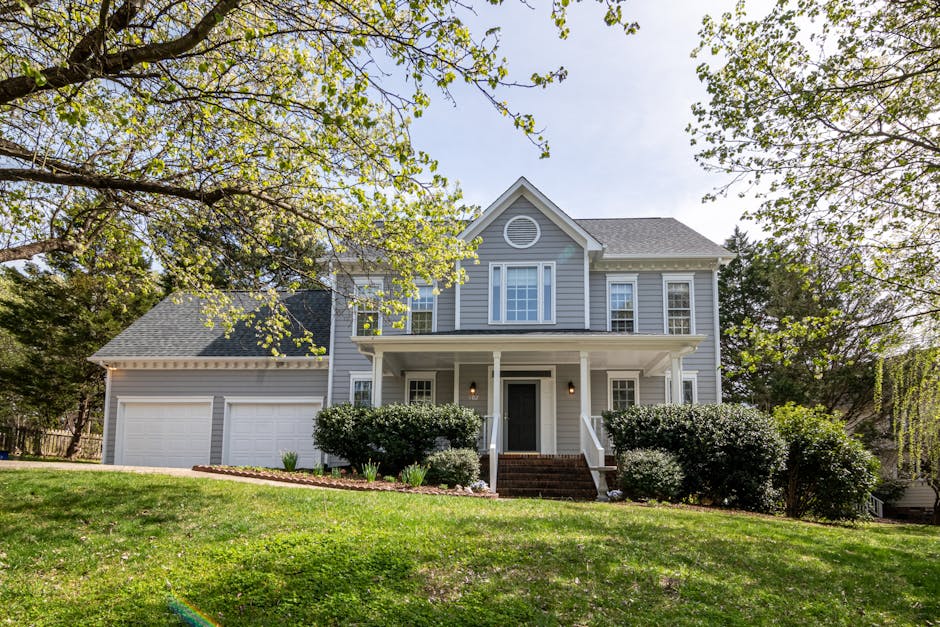
Work closely with your lender to finalize your mortgage application. They'll need verification of employment, final bank statements, and a clear title search. Stay responsive to their requests so you don't delay closing.
By your contractual contingency deadline (usually 17-21 days after acceptance), all contingencies should be clear. That means your inspection is done, appraisal has been ordered, financing is locked in, and there are no deal-breaking surprises.
This is the point where experienced Las Vegas agents earn their commission by keeping everything on track and ensuring no details slip through the cracks.
Step 10: Review Closing Documents and Schedule Closing Day
A few days before closing, you'll receive a final Closing Disclosure from your lender. Review this document carefully. It shows your final loan amount, interest rate, monthly payment, and all closing costs. Verify everything matches what you agreed to.
Your agent and lender will coordinate closing day logistics. You'll meet at a title company office with the seller (or their agent), a title officer, and a notary. You'll sign all final documents—the deed of trust, note, closing statement, and transfer documents.
Bring your ID and a cashier's check or arrange a wire transfer for your down payment and closing costs. Once you sign, the title company records the deed, and you officially own your home.
Step 11: Do a Final Walk-Through and Get Your Keys
Before closing, you'll do a final walk-through to confirm any agreed-upon repairs were completed and the home is in the condition you expected. Check that the home is empty of the seller's belongings and all utilities are off.
After closing documents are signed and recorded, you'll get the keys. Welcome home.
People Also Ask
How long does buying a home in Las Vegas take? The typical timeline from pre-approval to closing is 30-45 days, though it can be faster or slower depending on inspection results, appraisal timing, and how quickly you and the seller agree on terms. Most Las Vegas transactions close within 30 days of offer acceptance.
What mistakes do first-time buyers make in the Las Vegas market? The biggest mistakes are skipping pre-approval (which weakens your offer), visiting model homes before understanding the market (which often leads to overpaying), making offers without knowing comparable sales data, and not budgeting for closing costs. Working with a knowledgeable local agent eliminates most of these pitfalls.
Should I buy now or wait in the Las Vegas market? This depends on your personal timeline, financial readiness, and the current interest rate environment. If you're pre-approved, found a home you love at a fair price, and plan to stay in Las Vegas for at least 3-5 years, buying now usually makes sense. The longer you rent, the more equity you're building for someone else instead of yourself. But only buy if you're truly ready—don't force it.
What's the difference between pre-qualification and pre-approval? Pre-qualification is informal and based on your self-reported information. Pre-approval is official—a lender has verified your income, credit, and assets and committed to lending you a specific amount. Pre-approval is what sellers take seriously. Always get pre-approved before making offers.
Ready to Buy? Connect With a Vegas Market Expert
Buying a home in the Las Vegas Valley is straightforward when you follow the process and work with someone who knows the local market inside out. Every step matters, from your first pre-approval conversation to the moment you sign closing documents.
If you're serious about buying in Vegas and want guidance from someone with 17 years of local experience, Shannon Barton is here to walk you through it. We've helped hundreds of buyers navigate this exact process and close on homes they love at prices that make sense.
The Las Vegas Valley has incredible options for every budget and lifestyle. Let's find yours.
What should I bring to closing day?
Bring a valid ID (driver's license or passport), proof of homeowners insurance, any certified checks or arrange wire transfers for down payment and closing costs, and be prepared to review and sign multiple documents. Your closing agent will send you a checklist ahead of time, but having your ID and payment ready is the essential part.
Can I negotiate the purchase price after the home inspection?
Yes. If the inspection reveals significant issues—roof damage, foundation cracks, major HVAC problems—you can request the seller repair those items, credit you money toward repairs, or reduce the purchase price. The seller can accept, counter, or refuse. Most negotiations result in a credit toward repairs rather than the seller actually fixing items. Document everything in writing through your agent.
What happens if the appraisal comes in low?
If the appraisal is lower than your offer price, you have three options: pay the difference out of pocket, ask the seller to reduce the price to match the appraisal, or walk away (if you have an appraisal contingency). Many buyers negotiate—the seller sometimes meets you in the middle. Your agent will advise you on what's realistic in the current market.
Do I really need a real estate agent to buy a home?
Technically no, but it's a smart move. A good agent costs you nothing (seller pays commission), saves you time, protects your interests in negotiations, and prevents costly mistakes. They understand Nevada contracts, local market conditions, and closing timelines. For first-time buyers especially, having an experienced agent in your corner is invaluable. The Las Vegas market moves fast—having a local expert gives you a real advantage.