

Negotiating a home offer in Las Vegas used to be simple: throw money at it, and you'd win. That market died in 2024. Now we're in a balanced environment where actual negotiation skills matter. Your offer strategy can mean the difference between winning a home and watching it go to someone else, or for sellers, between a quick sale and maximum profit.
The Las Vegas market has fundamentally shifted. Homes no longer receive instant, full-price offers. Instead, buyers and sellers have real room to negotiate. That's actually good news if you know what you're doing. Over my 17 years as a Las Vegas agent, I've seen every negotiation tactic work and fail depending on market conditions and execution. Let me walk you through the six most effective strategies, ranked by their impact right now.
Related: Understanding the Home Selling Process in Las Vegas 2026
Related: Best Real Estate Agent in Las Vegas for Home Sellers
The 6 Best Offer Negotiation Strategies for Las Vegas Homes
| Strategy | Best For | Effectiveness |
|---|---|---|
| Speed + Clean Offer | Competitive markets | 9.5/10 |
| Earnest Money Leverage | Signaling serious intent | 8.8/10 |
| Strategic Price Increases | Multiple-offer situations | 8.5/10 |
| Closing Cost Assistance | FHA/lower down-payment buyers | 8.0/10 |
| Days-on-Market Analysis | Identifying seller desperation | 7.5/10 |
| Price-Reduction Timing | Recognizing negotiation signals | 7.0/10 |
#1: Speed + Clean Offer (9.5/10)
This is the king of strategies right now. In today's Las Vegas market, acting fast with a straightforward offer beats almost every complicated tactic.
What does "clean" mean? No inspection contingencies that scare sellers. No appraisal gaps left hanging. No financing contingencies if you're cash or strongly preapproved. A clean offer that closes on time is worth more than a higher price with red flags.
Before you make any offer, you need mortgage preapproval and a relationship with a qualified buyer's agent. This isn't optional. Sellers see cash offers and strongly preapproved buyers differently. That preapproval letter is your first negotiating tool. It proves you can close.
Speed matters because in multi-offer situations, the seller typically looks at the fastest, cleanest offer first. If you can close in 21 days instead of 30, that's your competitive edge. If your lender is responsive and your agent (ideally someone who understands the local Las Vegas market deeply) can coordinate inspections and appraisals before they're contractually required, you signal serious intent.
The data backs this up: Shannon Barton and other top Las Vegas agents consistently see speed and offer simplicity close more deals than negotiation tricks that drag things out.
#2: Earnest Money as Leverage (8.8/10)
Earnest money is your deposit. It shows the seller you're serious. On a $350,000 home in North Las Vegas, you might put down $3,500, or roughly 1% of the purchase price. That's standard.
But here's where negotiation comes in: increasing your earnest money above the standard 1% signals that you're genuinely committed. Some buyers go to 2%, especially in competitive scenarios. That extra money hits the seller's account sooner and shows confidence.
The psychological effect is real. Sellers see a higher earnest money deposit and assume the buyer is less likely to walk away or renegotiate after inspection. In a balanced market, perception influences decisions as much as actual dollars.
This strategy works especially well for buyers who can't compete on price. If another buyer is offering $5,000 more but with lower earnest money and more contingencies, your stronger earnest money position can tip the scales, especially if your offer is otherwise clean and fast.
#3: Strategic Price Increases (8.5/10)
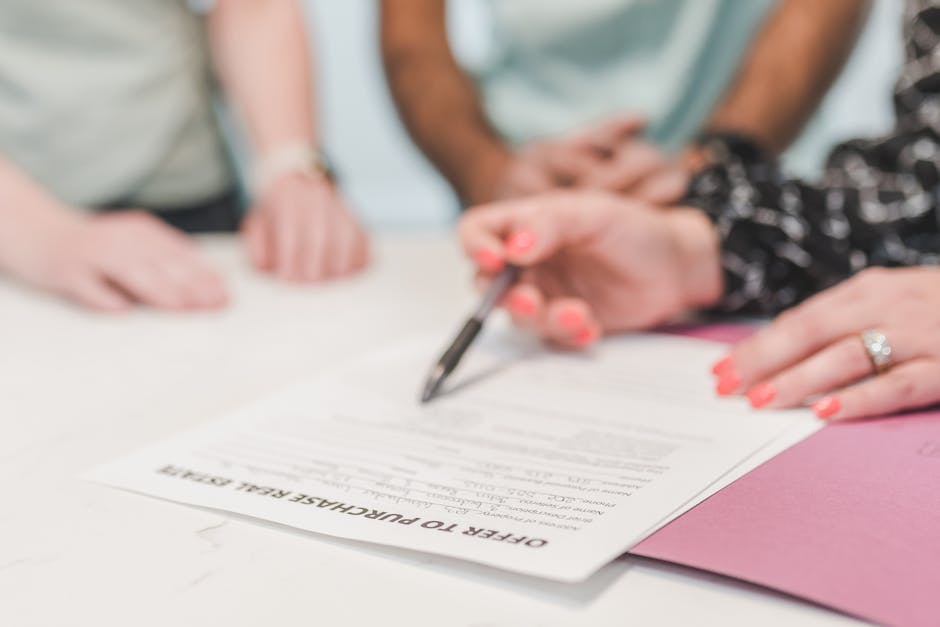
When you're competing against other buyers, sometimes a small price increase beats everything else. The key word is "strategic," not reckless.
If you offered $340,000 and got a counteroffer at $345,000, jumping to $346,000 or $347,000 signals you're willing to move but thoughtfully. Don't jump $10,000 at a time. That makes sellers think you'll keep going higher, and they'll keep counteroffering.
Raising your offer price within reason improves competitiveness in multiple-offer scenarios. But pair this with your other strengths: speed, earnest money, and a clean inspection contingency. Price alone won't close the deal if your financing looks shaky.
#4: Closing Cost Assistance (8.0/10)
This is particularly powerful for FHA loans and buyers with lower down payments. A seller contributing $8,000 toward closing costs on a $350,000 home is a real value add, especially for first-time buyers.
Why do sellers do this? Because it reduces the buyer's out-of-pocket cash requirement and makes financing easier. It also signals that you're serious about closing because your cash reserves are stronger after closing costs are covered.
Use this strategically when you're competing on offer structure rather than price. If your offer price is competitive but not the highest, asking for 2-2.5% closing cost assistance can be the negotiation bridge that gets the deal done. Sellers often prefer lower stress and certainty over squeezing an extra 1% from price.
#5: Days-on-Market Analysis (7.5/10)
How long a home has been listed tells you everything about the seller's negotiating position. A home that's been on the market 45 days in Las Vegas is in a very different position than one that listed last week.
Track this before you make your offer. Long days-on-market (60+ days in Las Vegas) suggests the pricing might be off, the home might have issues, or the seller is becoming flexible. That's your cue to make a firm but reasonable offer. The longer it sits, the more negotiating power you have.
Conversely, a home that's been listed 5 days is hot. You'll need a stronger offer and faster timeline. This analysis informs your entire strategy.
#6: Price-Reduction Signals (7.0/10)

When a seller drops the price $15,000 or $20,000, that's a negotiation signal. It doesn't mean you should lowball from there. It means the seller is acknowledging that the original price wasn't realistic.
Here's what a lot of buyers miss: a price reduction signals the market, not weakness. The seller is resetting expectations. Your job is to make an offer that reflects the new, more realistic price, but you shouldn't treat a price cut as an invitation to offer 5% below the new listing price.
If a home drops from $360,000 to $345,000, your competitive offer should be near $345,000 or slightly below. Not $325,000. That tells the seller you're not serious.
How to Use These Strategies Together
The best offers combine multiple tactics. For example:
- Fast closing timeline (21 days, not 30)
- Strong preapproval or cash proof
- Earnest money at 1.5% instead of 1%
- Inspection contingency removed or limited to major structural issues
- Appraisal gap coverage up to a reasonable limit
This combination beats a single high price offer almost every time in today's Las Vegas market. You're not just bidding money; you're reducing the seller's risk and timeline stress.
If you're selling, multiple competing offers are your best negotiating tool. Two serious, clean offers push the winning buyer to strengthen their position, which benefits you regardless of which one you accept.
Ready to Navigate Your Las Vegas Offer?
Negotiation in Las Vegas today requires local market knowledge, timing, and strategy. Your agent matters more than ever. They need to understand which tactics work for your specific situation, your competition, and the seller's position.
Whether you're buying or selling, Shannon Barton brings 17 years of Las Vegas market experience and a record of successful negotiations on both sides. The difference between a good offer and a winning offer often comes down to knowing how to structure it, not just the dollar amount.
What should I include with my offer to make it competitive?
Include a strong preapproval letter, proof of earnest money funds, a clear closing timeline (ideally 21 days), and a short explanation of why you're interested in the home. Remove or minimize contingencies if you can. Sellers respond to certainty and speed. The cleaner your offer, the less room they have to reject it on technical grounds.
How much earnest money should I put down on a Las Vegas home?
Standard is 1% of the purchase price. In competitive markets or when you want to stand out, 1.5-2% signals serious intent. On a $350,000 home, that's $3,500 to $7,000. Check with your local market and your agent; standards can vary by neighborhood and price point.
Should I make a lower offer if the home just had a price reduction?
No. A price reduction resets the market baseline. Your offer should reflect the new list price or be slightly below it, not drastically lower. The seller already acknowledged the price adjustment. Lowballing after a reduction signals you're not a serious buyer and often leads to rejection.
How long should my closing timeline be to be competitive?
21-30 days is standard in Las Vegas. 21 days or faster is highly competitive and shows urgency. Anything over 45 days weakens your offer in a balanced or competitive market. Shorter timelines reduce the seller's uncertainty and risk, which is worth negotiating power.