

Buying your first home in Las Vegas can feel overwhelming, but it doesn't have to be. The key is understanding the process step by step, knowing what you can actually afford, and getting honest guidance from someone who knows the Vegas market inside and out. This guide breaks down exactly what first-time buyers need to do before making one of the biggest financial decisions of your life.
Get Clear on Your Budget First
Before you look at a single house, sit down and get serious about money. This isn't exciting, but it's non-negotiable. You need to know three numbers: how much you have saved for a down payment, what your monthly income looks like, and what your debt situation is.
Lenders will look at your debt-to-income ratio, which is basically all your monthly debt payments divided by your gross monthly income. If you're spending too much on student loans, car payments, or credit cards, it'll limit how much house you can afford. Most lenders want this ratio under 43 percent.
Then calculate your actual budget. A good rule of thumb is that your total monthly housing payment (mortgage, taxes, insurance, HOA fees if applicable) shouldn't exceed 28 percent of your gross monthly income. On a $5,000 monthly income, that's about $1,400 max. Do the math before you fall in love with a house you can't actually afford.
Understand Down Payments and Assistance Programs
The idea that you need 20 percent down is outdated. In 2026, first-time buyers in Las Vegas have more flexibility. You can put down as little as 3-5 percent with conventional loans, or even less with FHA loans (which go as low as 3.5 percent).
Here's the trade-off: lower down payments mean you'll pay mortgage insurance, which adds to your monthly cost. But for many first-time buyers, getting into a home faster with a smaller down payment makes sense financially. A lower down payment also preserves your cash reserves for emergencies and closing costs.
Nevada and the Las Vegas area offer down payment assistance programs for qualifying first-time buyers. These aren't always heavily advertised, but they exist. Some programs offer grants or low-interest loans specifically designed to help with that initial chunk of money you need upfront. Your lender can point you toward current programs, or you can ask a local real estate professional like Shannon Barton who works with first-time buyers regularly.
Get Pre-Approved (Not Just Pre-Qualified)
Pre-qualification is a quick estimate. Pre-approval is the real deal. When you're pre-approved, a lender has actually verified your financial information, checked your credit, and confirmed how much they'll lend you. It takes a few days, but it's worth it.
Pre-approval does two things for you: it shows sellers you're serious, and it tells you exactly what you can spend. In a competitive market like Las Vegas, sellers get dozens of offers on popular properties. If you're pre-approved and your offer is solid, you're already ahead of the competition.
Get pre-approved before you start seriously house hunting. Not after you find something you love.
Know the Las Vegas Real Estate Market Right Now

Las Vegas isn't one market, it's dozens. The price per square foot in Summerlin is completely different from Centennial, which is different from North Las Vegas. Your research needs to be specific to the neighborhoods you're actually considering.
Related: Relocating to Las Vegas: Top Neighborhoods 2026 Ranked
Related: Best Time to Buy a Home in Henderson: 2026 Guide
Related: Best Time to Sell a House in Las Vegas: 2026 Guide
Related: How to Prepare Your Las Vegas Home for Sale: Complete Guide
In 2026, the Las Vegas market is balancing supply and demand better than it did a few years ago. You have more inventory to choose from than you did in 2022-2023, which is good. But that also means less urgency on the seller's side, which means you actually have negotiating power as a buyer. That's a shift from the pandemic era when homes disappeared in hours.
Prices vary wildly by neighborhood. First-time buyers often look at starter homes in areas like Downtown, Summerlin, or Southwest Las Vegas. Prices, school ratings, commute times, and neighborhood trends all differ significantly. Spend time actually driving through neighborhoods at different times of day. See where young families are, where empty nesters are moving, and where new development is happening.
Understanding the current market conditions and neighborhood-specific data is critical for making an informed offer. Shannon Barton stays on top of real-time market conditions across the valley and can help you see which neighborhoods are actually appreciating and where you're getting real value.
Factor in Closing Costs
Closing costs are the fees and expenses you pay to finalize your home purchase. They typically range from 2-5 percent of the purchase price. On a $300,000 home, that could be $6,000-$15,000.
Your closing costs cover things like appraisal fees, title insurance, inspections, escrow fees, homeowners insurance, and lender fees. You'll get an itemized list from your lender within a few days of applying for a mortgage, and it's required by law to be accurate.
Many first-time buyers forget to budget for closing costs on top of their down payment. If you're putting down 5 percent on a $300,000 home, that's $15,000. Add $10,000 in closing costs, and you need $25,000 liquid before you can close. Sometimes sellers will cover part of your closing costs as part of the negotiation, especially in a less competitive market. Your real estate agent should bring this up during negotiations.
Get a Home Inspection and Understand What You're Buying
A home inspection is non-negotiable. This is a separate professional inspection (not the appraisal) where someone walks through the entire property and identifies problems with the foundation, roof, plumbing, electrical, HVAC, and everything else. It costs $300-$500 and could save you tens of thousands.
Las Vegas homes deal with specific issues: heat damage on roofs, pool maintenance costs, and water pressure problems in some areas. A good inspector will flag these. If major problems show up, you can renegotiate the price or ask the seller to fix it before closing. This is why the inspection happens after your offer is accepted but before you're locked in.
Don't skip it to save a few hundred dollars. It's one of the smartest investments you'll make in the buying process.
Choose the Right Real Estate Agent
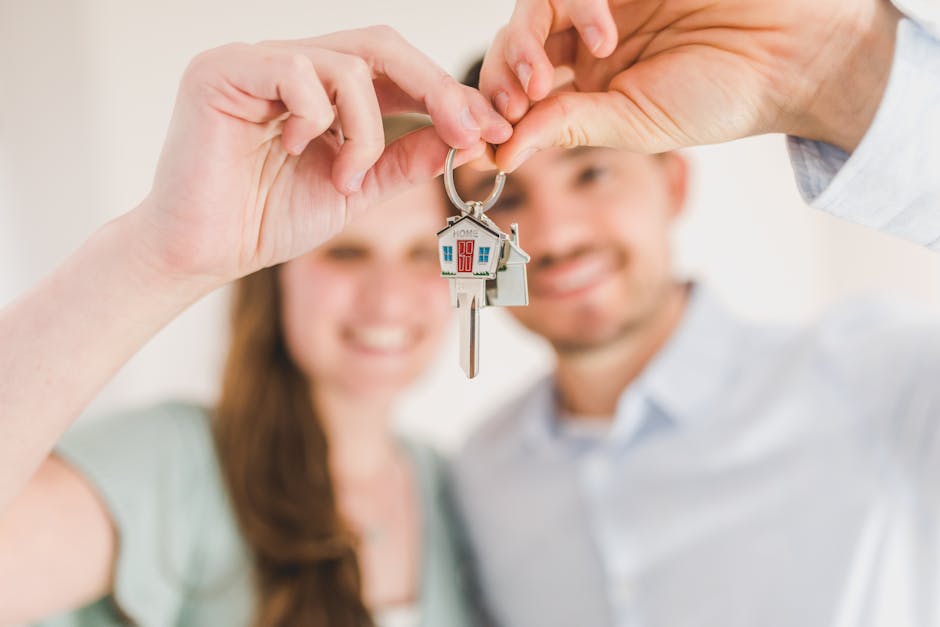
Your real estate agent should represent your interests as a buyer, not push you toward homes you're not ready for or negotiate deals that benefit them more than you. A good agent understands the neighborhoods, knows what homes are actually selling for (not the asking price, but the real price), and can spot a bad deal from a mile away.
Related: Selling a Home in Southern Highlands Las Vegas: 2026 Guide
Related: Southern Highlands Las Vegas: 2026 Neighborhood Guide & Buyer Ranking
Related: Buying or Selling on Fremont Street Las Vegas: Your 2026 Guide
Related: Buying a Home in Las Vegas Valley: Step-by-Step Guide
They should explain the entire process to you, answer stupid questions without making you feel dumb, and be honest when something isn't right for you. This is a relationship that matters, because your agent is negotiating on your behalf and representing your interests in one of your biggest financial decisions.
If you want someone who takes the time to understand first-time buyers and walks you through every step, Shannon Barton works specifically with buyers looking to enter the Las Vegas market with clarity and confidence.
Make Your Offer and Navigate Negotiations
When you find the right home, your agent will help you make an offer. Your offer includes the price, down payment, contingencies (things that have to happen for the deal to go through, like passing inspection), and timeline.
In 2026, you have more negotiating room than buyers did in 2023. You can ask for inspection contingencies, appraisal contingencies, and sometimes even ask the seller to cover part of your closing costs. Don't be afraid to negotiate. Worst case, they say no.
Make sure your offer is strong but realistic. Low-ball offers on homes that are priced fairly just waste everyone's time. But offers that are 5-10 percent below asking on properties that have been on the market for a while? That's smart strategy.
Finalize Your Financing and Close
Once your offer is accepted, you move into the mortgage process for real. Your lender will order an appraisal (to make sure the home is worth what you're paying), verify your employment and income one more time, and finalize your loan terms.
You'll also need homeowners insurance locked in before closing. Shop around for quotes. Insurance in Las Vegas varies by zip code, home age, and the carrier.
At closing, you'll sign a stack of documents, wire your down payment and closing costs to an escrow account, and officially own the home. In Nevada, this process is handled by a licensed escrow or title company, which adds a layer of protection for you as a buyer.
The entire process from offer to closing typically takes 30-45 days. Some loans close faster, some take longer depending on complexity and how quickly you provide documents to your lender.
People Also Ask
How much should I save before buying my first home?
At minimum, you need your down payment plus closing costs (usually 5-7 percent of the purchase price total). Beyond that, save $1,000-$2,000 more for immediate home repairs or emergencies that always seem to pop up after closing. Don't drain every penny to buy a house.
What credit score do I need to buy a home in Las Vegas?
Most conventional loans require a credit score of 620 or higher, but lenders prefer 700+. FHA loans go as low as 580. If your score is lower, work on paying down debt and fixing errors on your credit report before applying. The Consumer Finance Protection Bureau has resources on building credit.
Is it better to buy now or wait for prices to drop?
Trying to time the market is a losing game. If you're ready to buy and you've found something you love at a fair price, buy it. You're going to live there and build equity. Market timing is for investors, not first-time homeowners. Focus on finding the right home at the right price for your situation right now.
Do I need a real estate agent to buy a home?
Legally, no. But practically, yes. Your agent typically costs you nothing (the seller pays commission), and having someone in your corner who knows the market, understands contracts, and negotiates on your behalf is invaluable. Don't try to save commission on something this important.
What neighborhoods are best for first-time buyers in Las Vegas?
Summerlin, Centennial, Southwest Las Vegas, and parts of North Las Vegas offer good value for first-time buyers. Summerlin is more established with amenities and appreciation, while newer areas like Centennial have newer construction at slightly lower prices. It depends on your budget and lifestyle. Walk neighborhoods, check school ratings, and think about your commute before deciding.
Can I buy a home with bad credit?
Yes, but it's harder and more expensive. FHA loans are more forgiving on credit scores (minimum 580), but you'll pay a higher interest rate and mortgage insurance. Work on your credit for 6-12 months before applying if possible. Every 50-point improvement in your credit score can save you thousands in interest over 30 years.
What happens if my offer gets rejected?
The seller either counter-offers (suggesting a different price or terms) or rejects it outright. If they counter, you can accept, counter back, or walk away. Don't take it personally. You'll find other homes. Better to move on than get stuck in a bidding war on something that's not right for you.
How long does it take to buy a home in Las Vegas?
From pre-approval to closing, expect 45-60 days if everything goes smoothly. If there are complications (appraisal issues, inspection problems, or slow document processing), it could stretch to 60-90 days. Nothing moves faster than 30 days, so plan accordingly.